

OUR PHILOSOPHY
Wild is not neglected. Wild is intentional.
We create living landscapes that reconnect people with nature. Gardens that feel established, not imposed. Places with rhythm, texture and movement; places that change with the seasons, invite wildlife in and draw people outside.
For us, wildness isn’t about letting go. It’s about looking more closely at how nature works — and using that understanding to create gardens that are beautiful, practical and alive.
LEARNING FROM THE WILD
Forests, meadows, glades and woodland edges have always been an inspiration for Gold & Wild.
These landscapes aren’t static compositions. Plants grow together in communities. Light changes from one layer to another. Open ground gives way to enclosure. Plants emerge, flower, recede and return. One season succeeds another. By observing these relationships, we can translate some of the qualities of wild landscapes into the gardens we create.
An open, sunny garden might lend itself to the movement and openness of a meadow, or the warmth and resilience of a Mediterranean landscape. Part shade can evoke the floriferous edge of a forest. Deeper shade can become something lush, layered and immersive.
We don’t force a garden to become something it doesn’t want to be. We look at the conditions that are already there and ask what they could become.
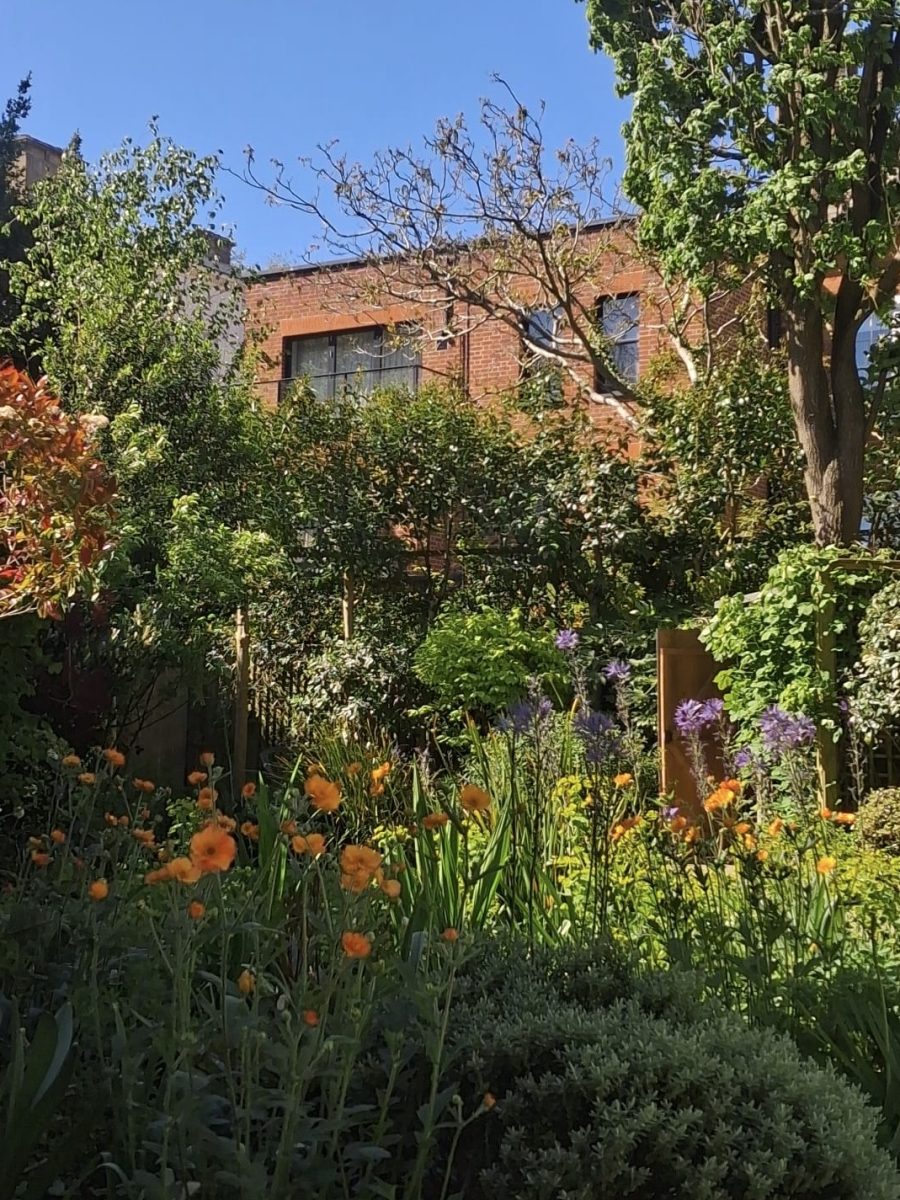
The cultivated wild — our gardens are wild, but they are not wilderness.
We think of them as landscapes inspired by nature but shaped through design, horticultural knowledge and care. Plants are brought together to create rhythm, texture and layers. Seasonal change is considered from the beginning. Lush greens, grasses, flowers, foliage and structure work together to create a garden that feels natural without becoming unmanageable.
There is intention beneath the apparent looseness. It allows us to create some of the feeling of a meadow, woodland or forest edge within even a relatively small urban garden — without simply letting nature take over.
Wild is not neglected. Wild is intentional.
DESIGNED AROUND LIFE
A garden has to work for the people who live there.
So before deciding how a garden should look, we think about how it will be used. A place for children to explore. Somewhere to eat with friends. A quiet corner in the morning. A garden to forage from. A view from the kitchen window. Somewhere to sit amongst plants, hear water, watch birds and notice the seasons changing.
From those practical needs, we look at how nature can be brought closer. We create space for wildlife alongside space for people, looking for the point where the two can exist comfortably together.
Because a garden can do more than complete a house.
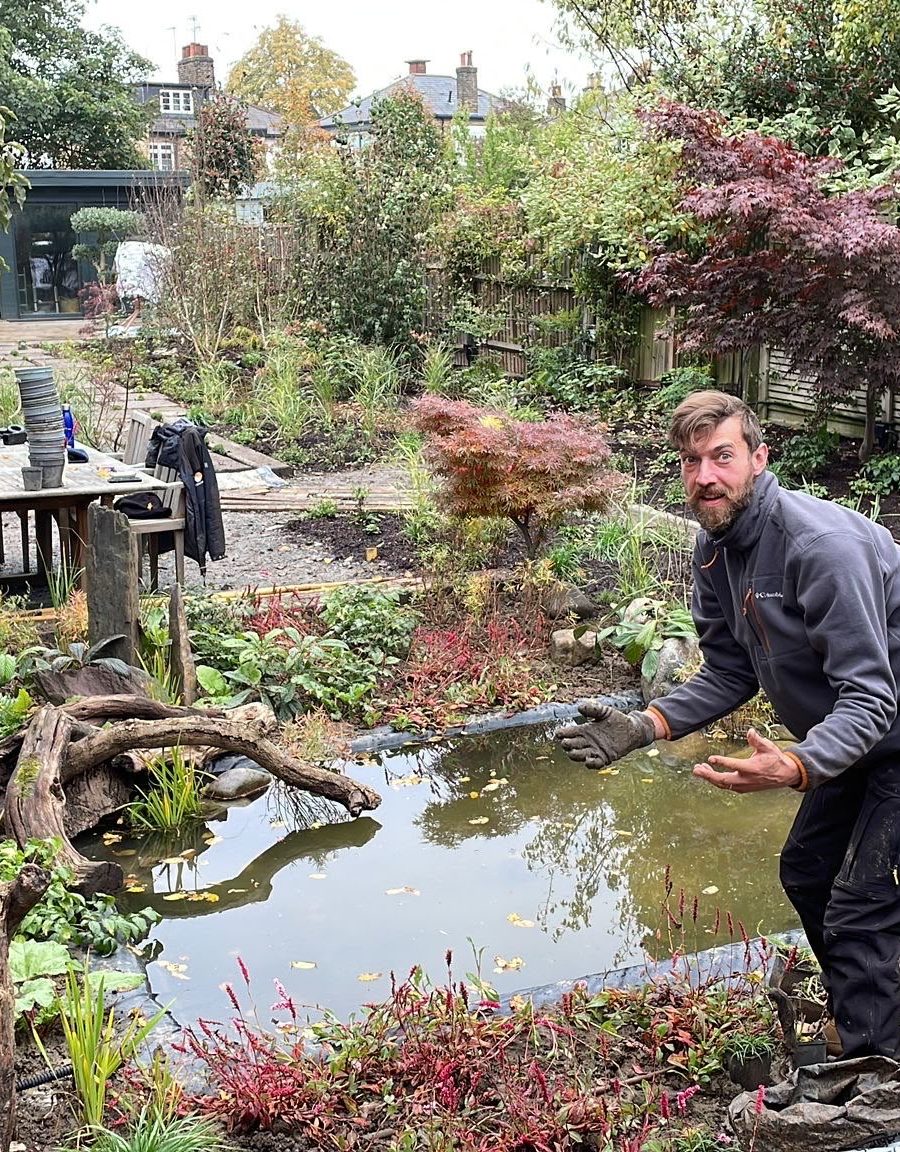
The landscapes around us shape the landscapes within us.
In busy lives and busy cities, having daily contact with the natural world matters. The movement of grasses. The sound of water. Changes in light. Birdsong. Scent. Soil. New growth appearing in spring and seed heads remaining through winter. These small encounters bring us back into contact with something beyond ourselves.
We want to create gardens that make people want to step outside — not just when the garden is flowering at its peak, but throughout the year.
DESIGNED FOR TIME, NOT TRENDS
A garden isn’t finished on the day we leave. In many ways, that’s when it begins.
Plants establish and move. Trees mature. Materials weather. Wildlife discovers new habitats. The relationship between the people and the garden changes too. We design with that future in mind.
Wherever possible, we reclaim before replacing, work with what is already valuable and choose materials consciously. Planting is designed to evolve rather than simply provide an instant effect. And because living landscapes need stewardship, we believe in knowledgeable, light-touch care that helps a garden develop without constantly trying to control it.
We build for life, not for the photograph.
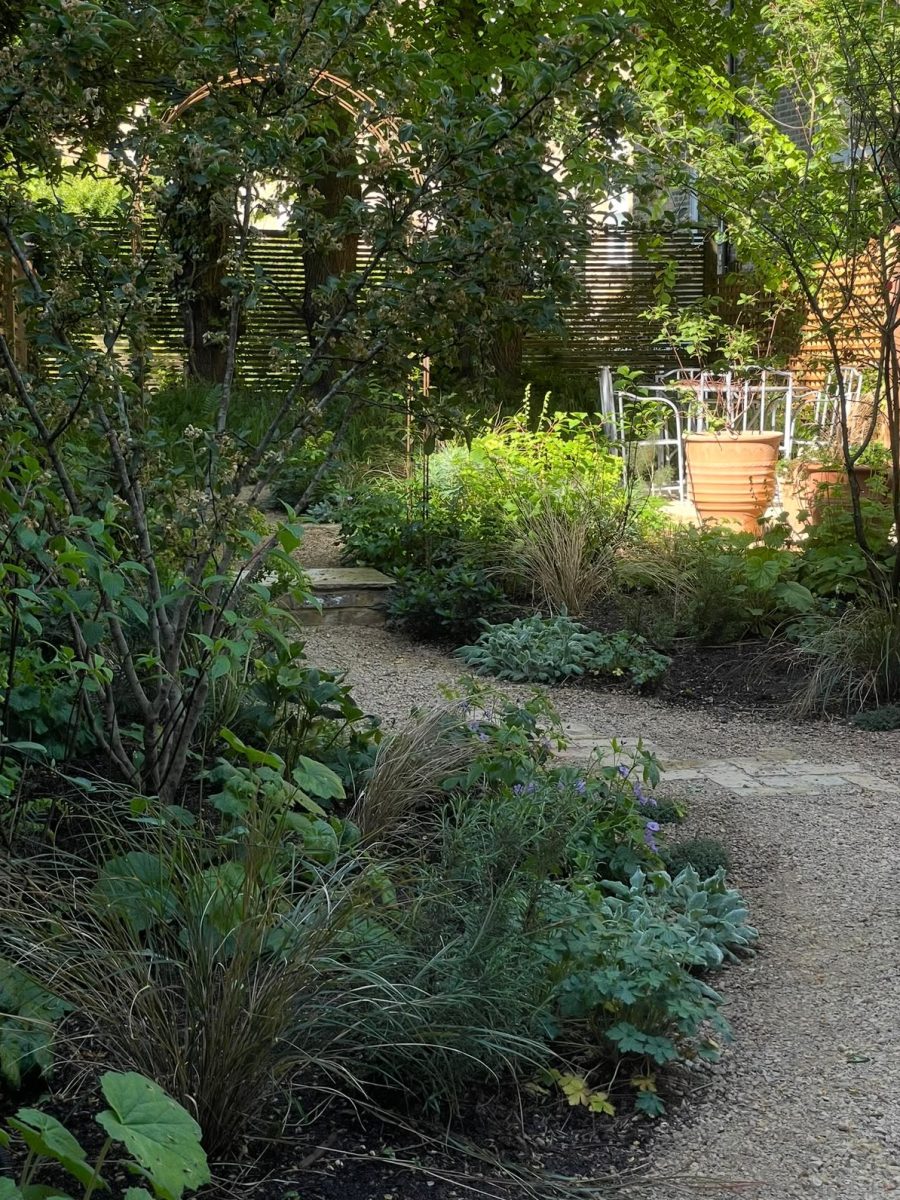
A wilder future
We believe our green spaces can play a much bigger role in reconnecting people with the natural world. That doesn’t require every garden to become a wilderness. It means making space for nature where we already live. Planting more richly. Creating habitat. Working with soil, water, light and season. Growing things we can eat. Reusing what already exists. And becoming better stewards of the small pieces of land in our care.
One garden might seem like a small place to start. But across a street, a neighbourhood and a city, those living spaces begin to connect. That’s the future we want to help cultivate.
CREATIVE. CONSCIOUS. WILD.
-
Reclaim before replacing.
Work with what already has value.
-
Work with nature, not against it.
Let the conditions of the garden help determine what it becomes.
-
Create for people and wildlife.
Neither needs to exist at the expense of the other.
-
Design for time, not trends.
Create gardens that become richer as they mature.
-
Cultivate, don’t control.
Give nature room to express itself, then care for it with knowledge and intention.
Ready to see what your garden could become?
See our philosophy in practice, or tell us about your garden.